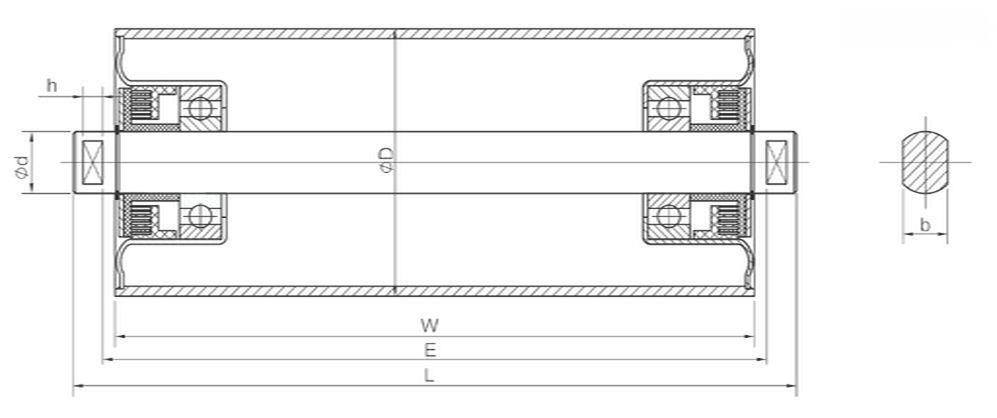
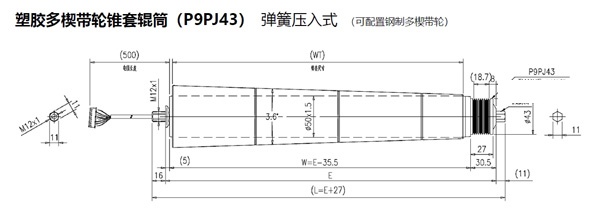
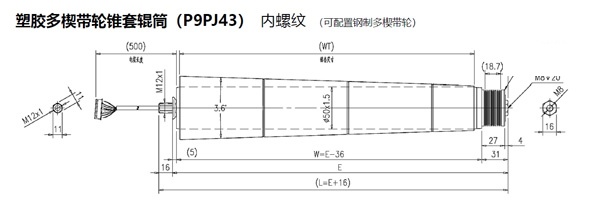
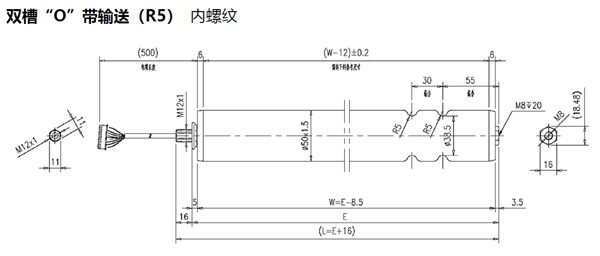
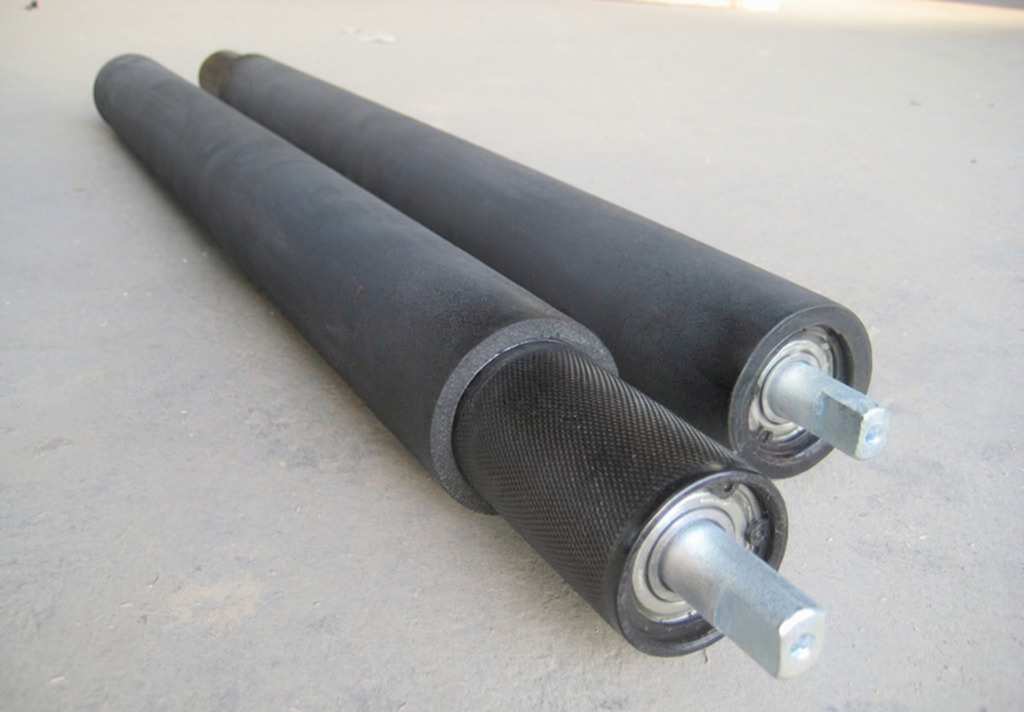
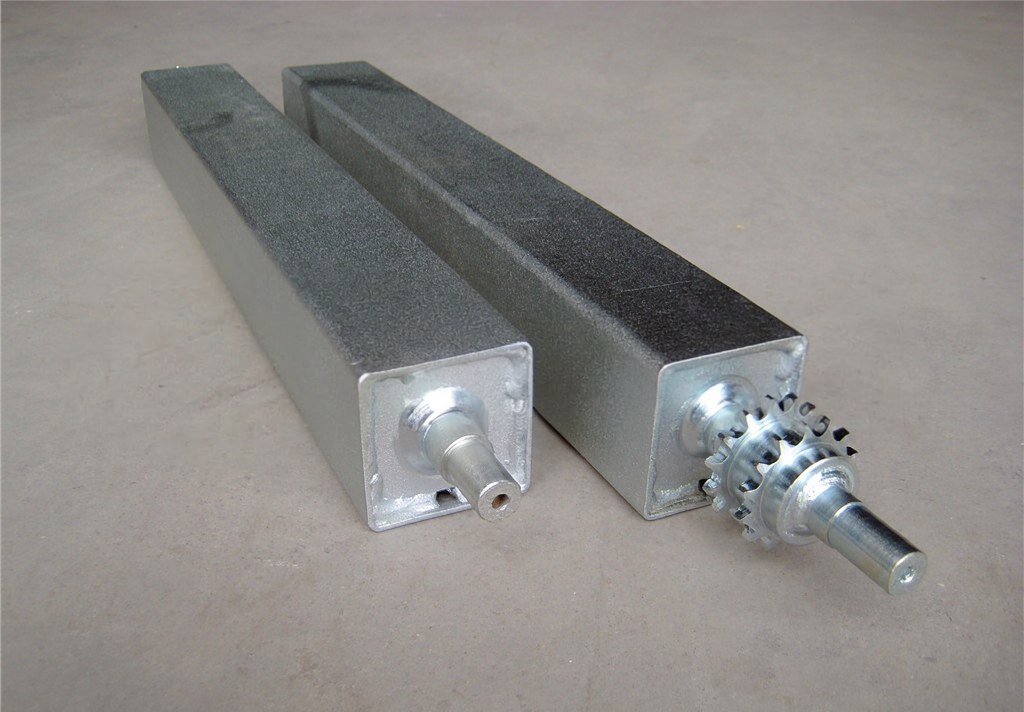
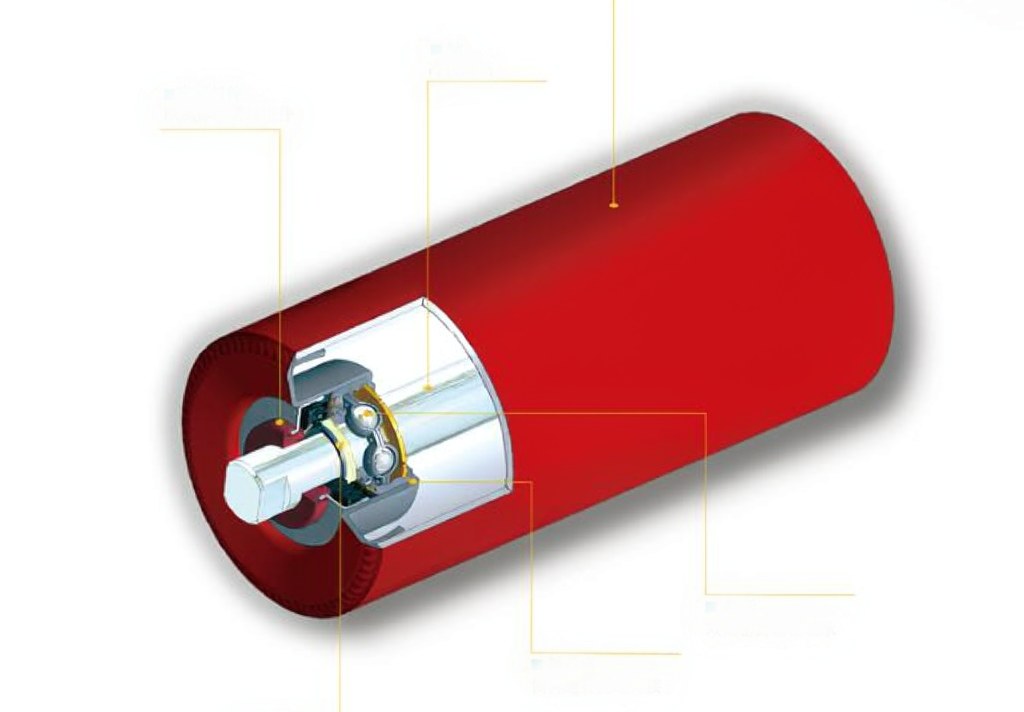
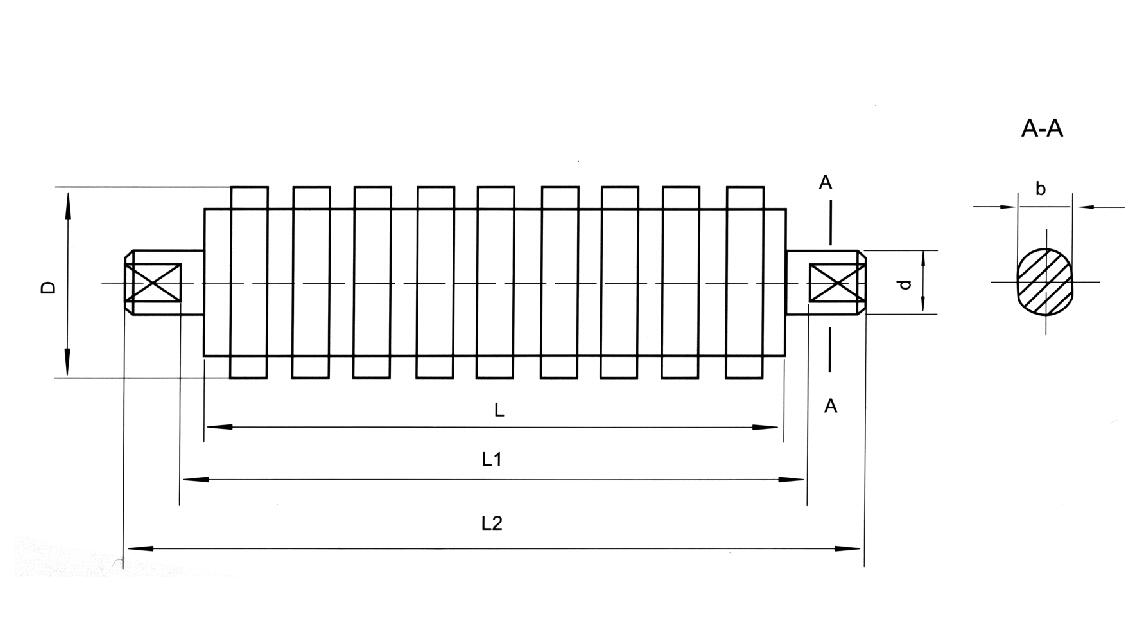
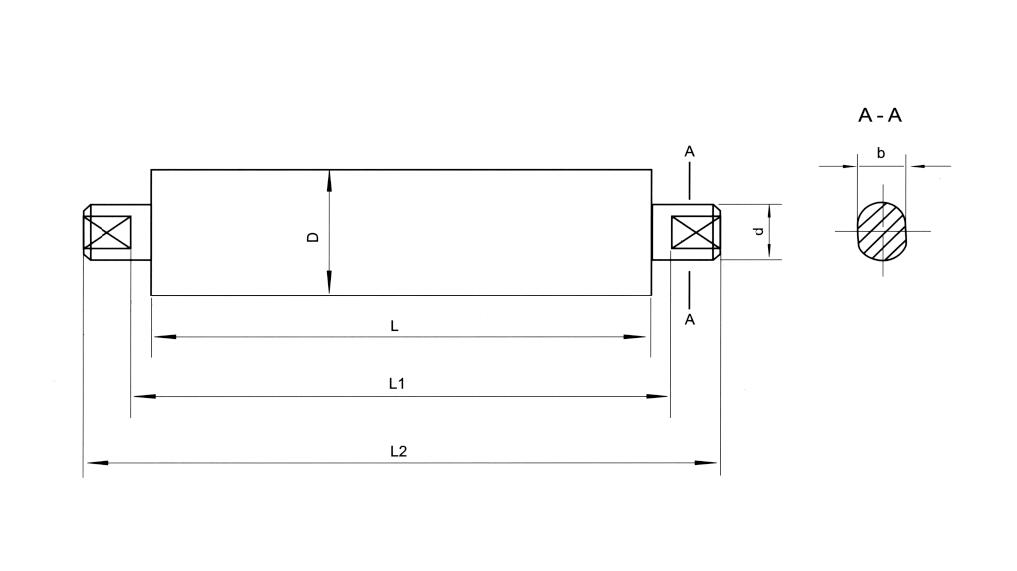
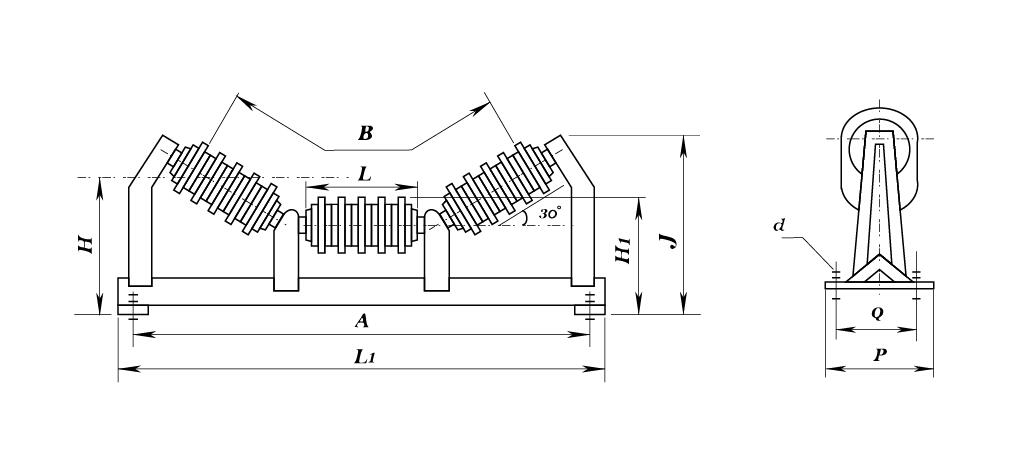
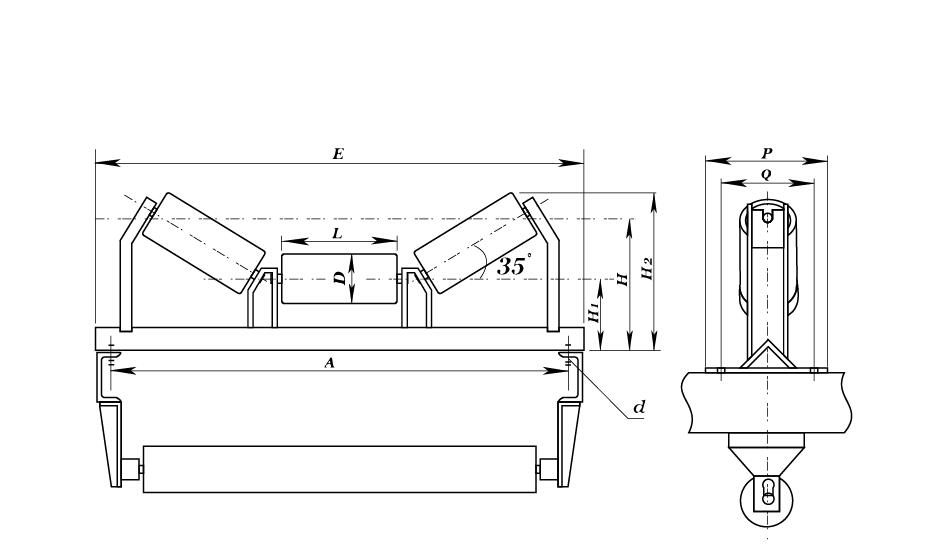
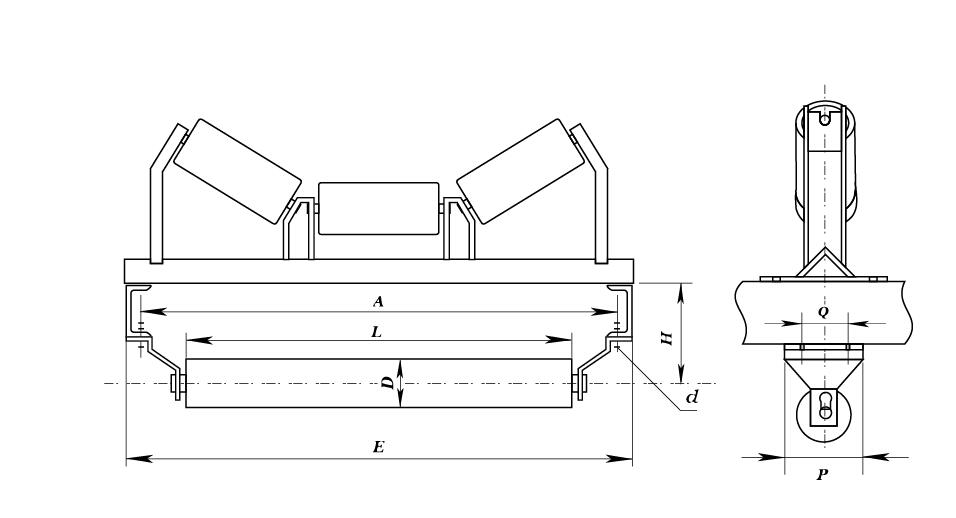
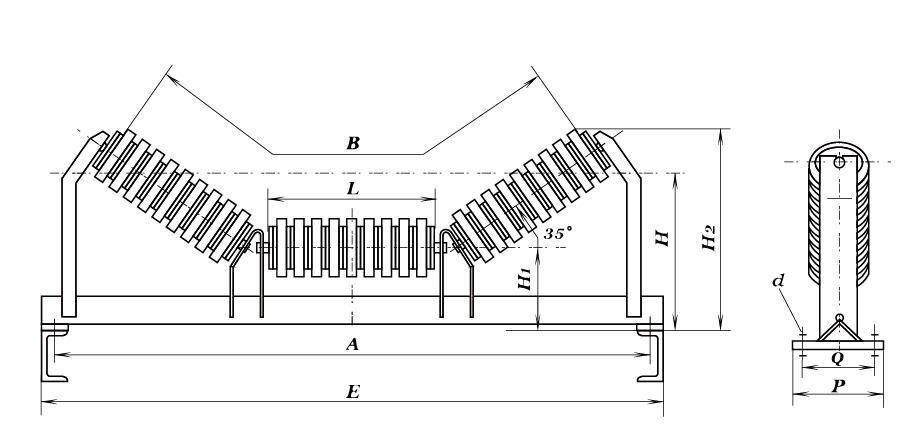
Our range covers gravity rollers, powered rollers, accumulation rollers, tapered rollers and idlers, manufactured to drawings and duty conditions with consistent batch quality, supplied mainly to conveyor manufacturers, system integrators and end users.
The company is a specialised manufacturer of conveyor rollers and associated components, with its production base located in Huzhou, Zhejiang Province. The site lies within the Yangtze River Delta equipment manufacturing belt, where supply systems for steel, bearings and surface treatment are well established, and where both the Port of Shanghai and the Port of Ningbo fall within a reasonable transport radius, providing favourable conditions for export shipment. The plant was commissioned in 2025.
The site occupies 15,000 m² and houses two automated roller production lines, with cutting, turning, assembly and inspection organised as a continuous process flow. Designed annual roller capacity is 2 million pieces; standard specifications are supplied in batch quantities, while non-standard specifications are manufactured to customer drawings.
The customer base consists principally of conveyor manufacturers, system integrators and end-user production enterprises. The technical requirements of this customer group centre on installation fit, running smoothness and service life. Accordingly, technical work is conducted in three directions: translating drawing requirements into a reproducibly stable process, incorporating delivery schedules into the customer production planning system, and holding batch-to-batch quality variation within measurable tolerance limits.
The company does not regard scale expansion as its primary development objective; on-time delivery rate, batch consistency and response efficiency serve as its core capability indicators. For the supply of critical components, the company ensures a controllable plan, a traceable schedule and a predictable outcome.
Machining accuracy is held strictly within the tolerances specified on drawings, and quality issues are closed out prior to shipment. Technical proposals may be adjusted through mutual consultation, while inspection data must be authentic, complete and traceable. Where a delivery date cannot be met, the company gives advance written notice and does not secure orders on the basis of delivery commitments it cannot honour.
Repeat purchase rate and long-term cooperation serve as the principal measures of business performance; price advantage on a single order is not accepted in place of long-term cooperative value. Stable product quality and service support are used to reduce the customer cost of changing suppliers.
Suppliers, employees and customers together constitute a complete supply chain system. The company maintains information transparency and honours payment terms, and shares process improvement results with upstream and downstream partners. Any capability deficiency at a single link will affect the final delivery standard.
Quality management is based on the principle of batch traceability, ensuring that for every batch leaving the plant the basis of its acceptance can be verified. Quality control is implemented in three stages. Incoming: steel, bearings and seals are subject to lot sampling inspection, with supplier quality records archived. In-process: each operation performs self-inspection and patrol inspection, and critical dimensions such as outer diameter, wall thickness and concentricity are subject to full inspection. Outgoing: acceptance is carried out against a sampling standard, and inspection data accompanies the shipment. Prior to volume production of a new specification, a pilot batch is assembled and validated under the tension and load conditions of the customer line; volume production proceeds only after no abnormality is confirmed.